

Is Your Fascia Board Rotting? Inspect, Replace & Protect
Is Your Fascia Board Compromising Your Roof’s Stability? Florida homeowners need to ask: Is my fascia board rotting—and could that failure jeopardize my entire roofing system during hurricane season? The fascia board, installed along the roof edge to support gutters and seal the attic, is frequently overlooked. When fascia deteriorates due to moisture, insects, or improper drip edge flashing installation, it compromises gutter integrity and roof edge protection, allowing rain to enter your attic and potentially inviting structural damage.
This comprehensive guide will help you:
- Understand why fascia rot starts and how it impacts your roof
- Conduct a step-by-step fascia inspection
- Carry out a safe fascia replacement—without harming shingles or soffit systems
- Choose durable fascia materials and select the best metal roofing coating, finishes, and flashing details
- Discover how Distinctive Roofing, a leading Florida roofing contractor, secures homes across South Florida, including Delray Beach, Boca Raton, and Palm Beach Gardens
Blog Key Points
- Rotting fascia often results from clogged gutters and poor sealing
- Early warning signs include soft wood, sagging gutters, and peeling paint
- Fascia replacement entails safely removing old boards, installing new ones, and integrating drip edge flashing installation and soffit systems
- Durable materials like PVC, aluminum, or rot-resistant wood extend fascia’s lifespan
- Distinctive Roofing offers fascia evaluation, proper installation, and hurricane‑grade upgrades
How, Why, and When Does Fascia Rot?
Moisture Exposure and Improper Drip Edge

In Florida’s high humidity, fascia boards easily absorb water, especially when gutter lines overflow. Without proper drip edge flashing installation, water gets behind shingles and soaks the fascia, causing it to decay. Installing drip edge properly, learn how to apply drip edge prevents water intrusion and protects fascia and roof planks.
Faulty Overhangs and Poor Ventilation

Inadequate house overhang and missing soffits (poor how to install soffit) deprive the fascia of ventilation, allowing moisture buildup. This increases pressure on gutter attachments and accelerates rot in wooden fascia. Attic condensation due to missing soffit vents or improper attic vent replacement also contributes to fungal growth and wood failure.
Pest and Mold Infestations

Once the fascia is soft from moisture, pests, or mold can accelerate the damage. Termites and carpenter ants weaken structural fascia, while mold eats through fiber content—this is especially problematic around terra cotta roofing tile installations, where moisture often accumulates.
How to Inspect Fascia Like a Pro
Exterior Visual Inspection
Walk around your home and examine the fascia near gutters and under roof overhangs. Look for:
- Cracked paint, mold stains, or boards that appear bowed
- Watermarks indicating attic rain causes
- Sagging gutters—good fascia should hold them level
Touch Test
Use a screwdriver or awl to lightly probe the suspect fascia. If the wood crumbles or gives, this indicates decay. Be especially mindful around gutter hangers or fascia corners.
Gutter and Roof Edge Inspection
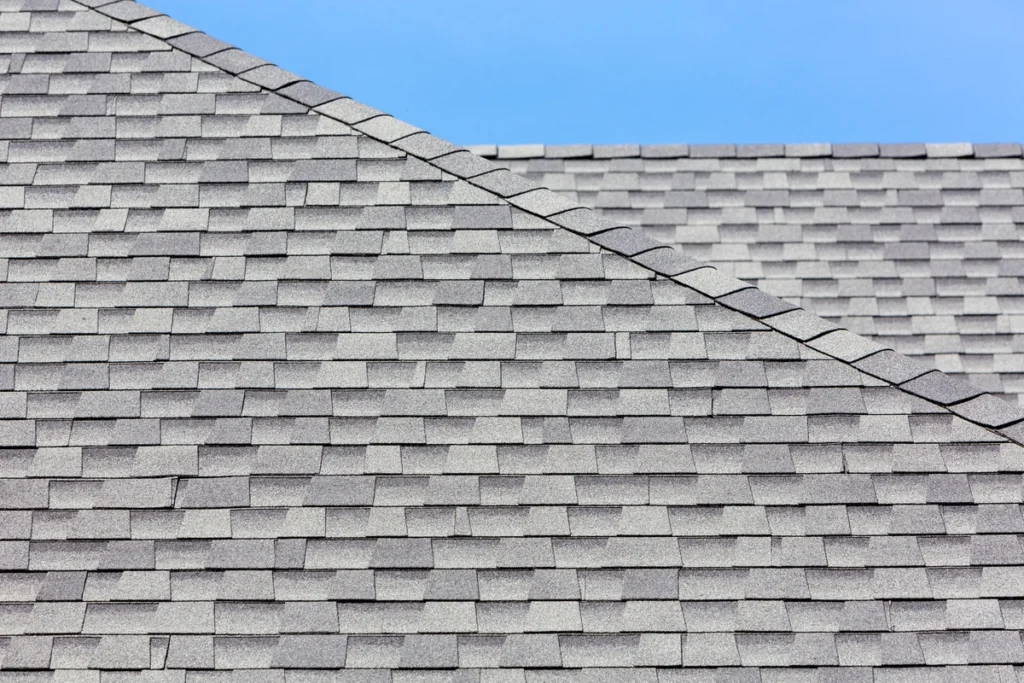
Remove a section of the gutter. If moisture, rot, or rust exists behind it, the fascia is compromised. Check fascia connections near roof scuppers and ensure proper water diversion from roof surfaces.
Soffit and Interior Inspection
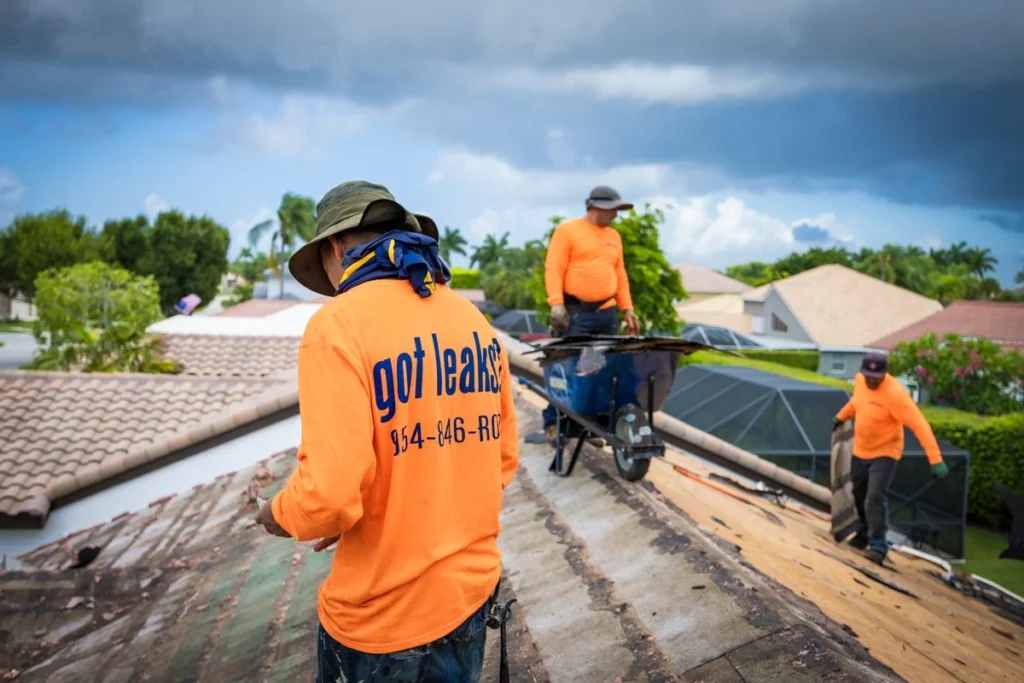
Look up at the soffits from within the attic. Signs of damp wood, peeling paint, or light intrusion behind fascia boards often point to rot. A well-maintained fascia system will keep this area tight and dry.
Step-by-Step Fascia Replacement Process
Step 1: Evaluation and Scoping
A licensed roofing professional—including Florida roofing companies like Distinctive Roofing—assesses fascia, drip edge, soffits, gutter alignment, and general edge condition. The team determines if only the fascia needs repair or if the entire roof edge systems require attention.
Step 2: Safe Removal
With care not to disturb roof shingles, roof tiles, or flashing, contractors remove old fascia. That’s vital when working with fragile materials like clay terracotta roof tiles or teracota roof tiles.
Step 3: Choose the Right Material
Select fascia based on durability and climate:
- PVC/composite fascia: Nonsusceptible to rot—sets and holds well behind the drip edge
- Aluminum fascia: Long-lasting in humid zones; works well with metal trims and types of metal trim
- Pressure-treated wood: Requires sturdy sealing and painting
Aim for fascia components that match your roof style—whether a modern roof, a gambrel roof design, or a shingle look metal roof.
Step 4: Installation and Sealing
When installing, ensure:
- Fascia boards are level and securely fastened
- Install fascia boards per soffit height for a consistent appearance
- Drip edge is properly installed (above fascia, under shingles), following how to apply drip edge guidelines
- Caulking and painting seal every corner, especially in corners and intersections with gutters
- Ventilation and gutters are reconnected carefully around the soffit vents
Step 5: Restore Soffits and Gutters
Gutters must be leveled and securely fastened once the fascia is replaced. Soffits and attic vent replacement systems should match fascia height to ensure airflow and prevent moisture retention.
Choosing Materials and Protecting Fascia Over Time
Best Practices and Material Tools

- Aluminum fascia: Excellent with sheet metal trim or soffit attachments
- PVC fascia: Stable, low-maintenance, minimal painting
- Wood fascia: Choose rot-resistant species and seal with premium metal roof sealer where fascia meets flashing
Coatings and Flashing
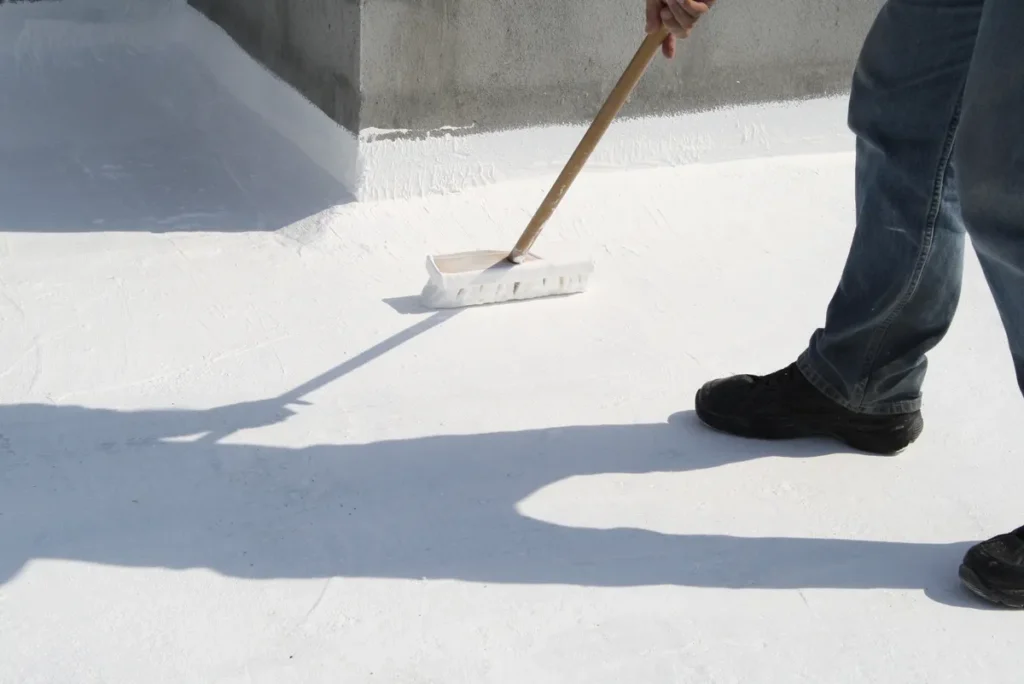
- Use metal roofing coating sparingly where the fascia meets the metal roof edges
- Select the best coating for metal roofs or waterproof paint for wooden fascia projects
Ventilation and Overhang Design

- Fascia should align with soffit vent paths and ensure no obstruction to attic airflow
- Recognize the difference between hip and gable roof in overhang design and fascia coverage
How Distinctive Roofing Handles Your Fascia Needs
Serving homeowners throughout Boca Raton, Delray Beach, and South Florida, Distinctive Roofing provides:
- Choice of fascia materials, including clay terracotta roof tiles with integrated fascia systems or a metal roof that looks like shingle style fascia
- Certified installation: install fascia boards, flash edges, connect gutters, and seal around roof vents types
- Maintenance programs to inspect fascia, attic vent replacement, soffits, and gutters after storms
- Compliance with local hurricane codes—for Florida roofing contractor works across climatically sensitive zones
Conclusion: Benefits of Healthy, Protected Fascia
Taking fascia seriously gives you noticeable benefits:
- ✅ Structural protection at roof edges against leaks and storm exposure
- ✅ Secure gutters and a consistent drainage system
- ✅ Improved roof ventilation and attic comfort
- ✅ Extended life for fascia and gutters
- ✅ Better property protection and value from a storm-ready roof edge system
If your fascia shows signs of deterioration—or you’re unsure how to inspect it—Distinctive Roofing offers expert assessments, modern fascia replacement, and hurricane-grade sealing solutions to keep your home safe, dry, and code-compliant.
Ready to get started? Contact Distinctive Roofing today and let us show you what makes us the trusted choice for low slope roofing in Florida!
