
Is Your Roof Ready for Rainy Season in South Florida?
Why the Worst Time to Discover a Roof Problem Is During a Storm
If you live in South Florida, here’s one thing every homeowner should know:
The worst time to discover a roofing problem is during a storm.
And unfortunately…
That’s exactly when most people find out they have one.
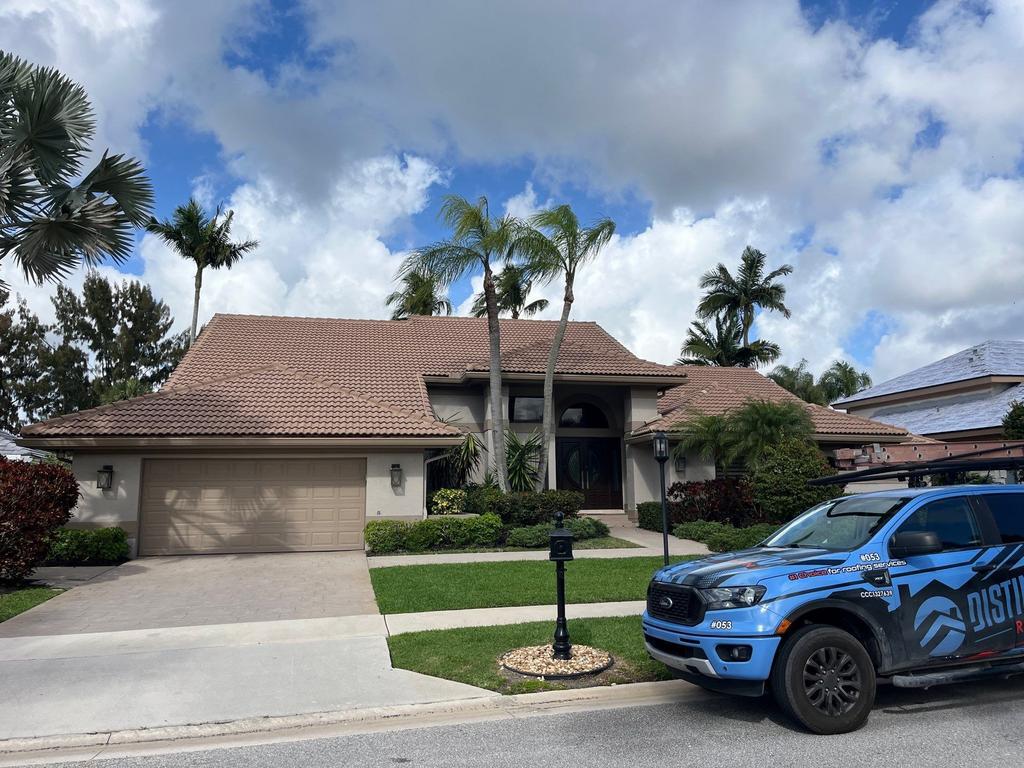
At Distinctive Roofing, we inspect roofs across Broward County and Palm Beach County every week, and we can confidently say this:
What Causes Black Homeowners are often shocked by what we find.
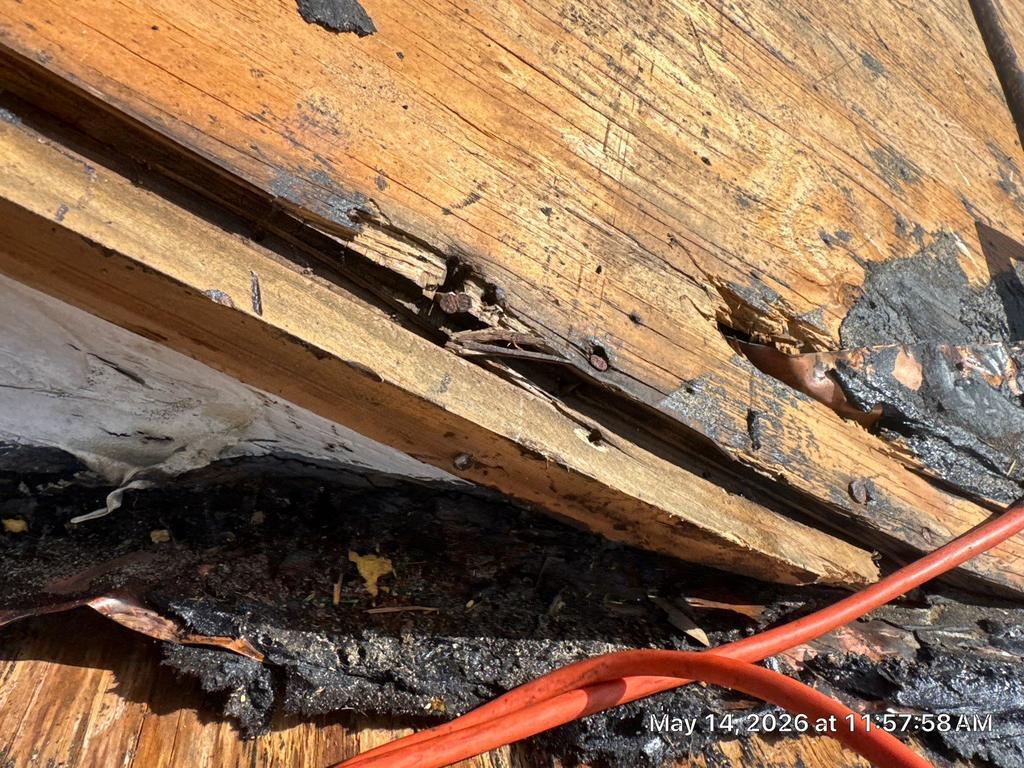
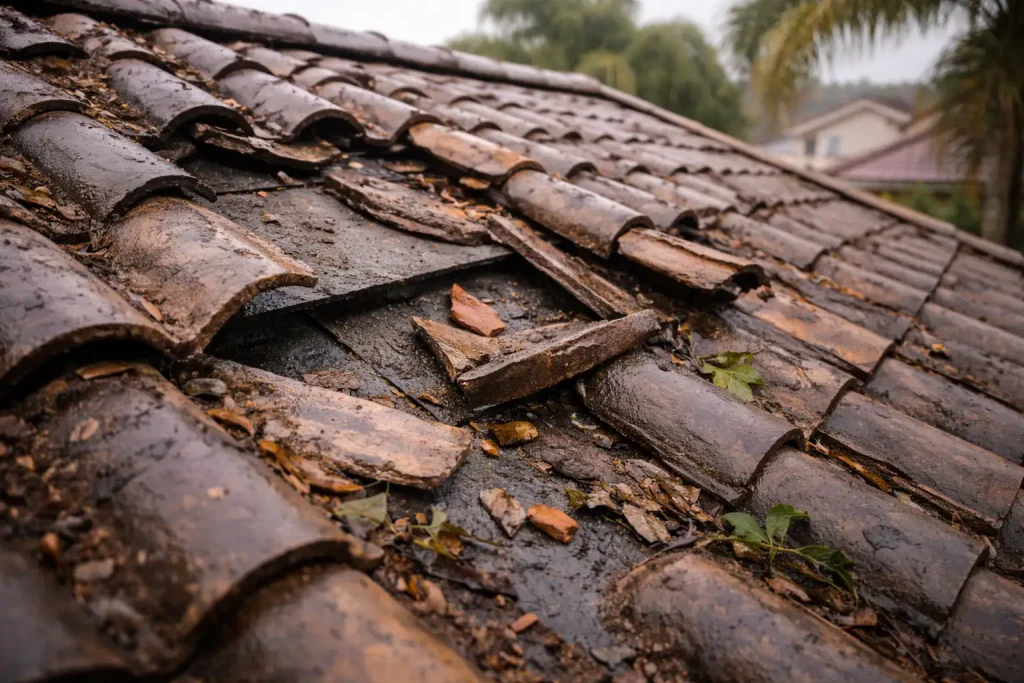
Broken tiles.
Cracked tiles.
Lifted shingles.
Leak points.
Worn flashing.
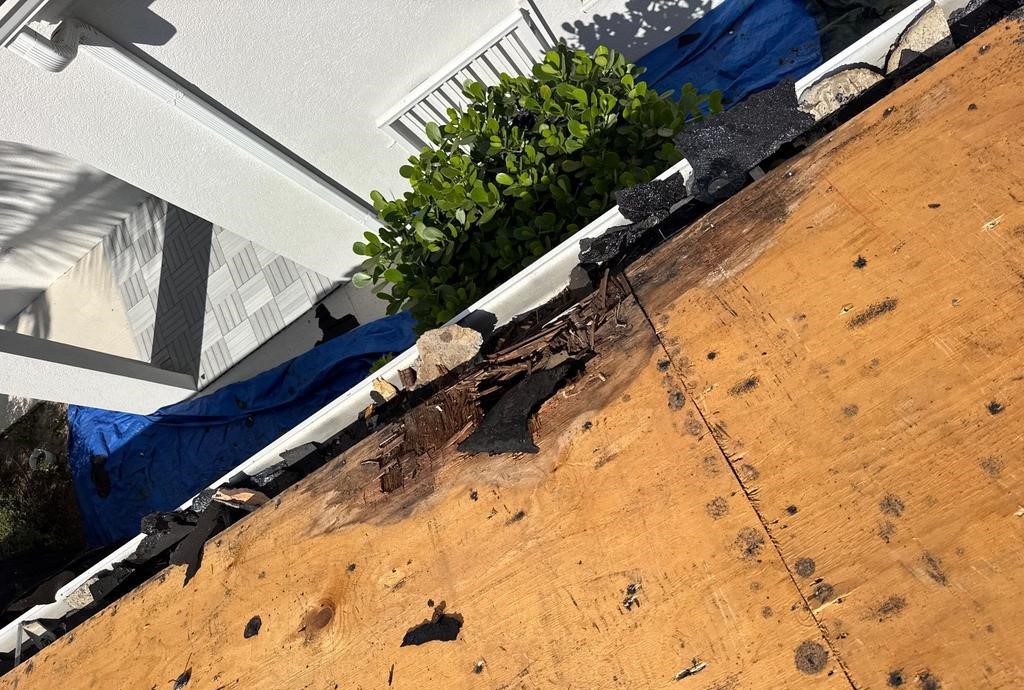
Rotten fascia.
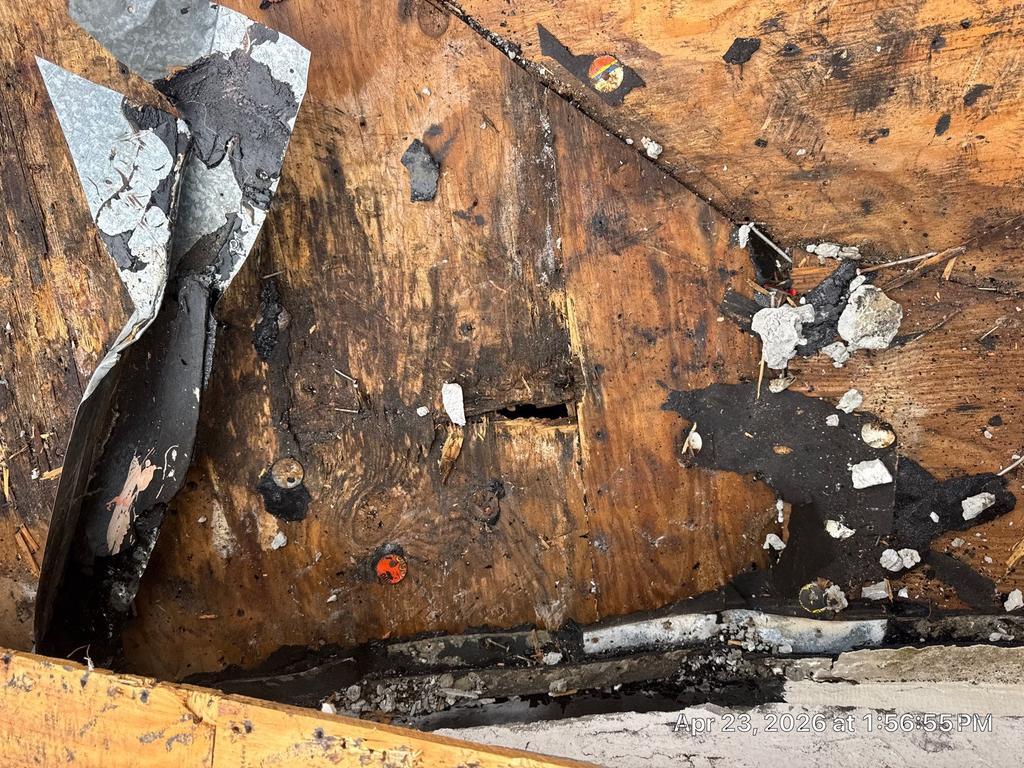
Rotten and saggy plywood.
Small openings that are invisible from the ground.
If we wanted to, we could collect thousands of inspection photos showing roofing damage that homeowners had absolutely no idea was there.
And that’s what makes rainy season so risky.
Because a roof problem that feels “small” in dry weather can become a very big issue very quickly once Florida rain starts showing up consistently.
So if you’ve been wondering whether your roof is ready for rainy season…
This guide is for you.e more prone to algae staining than terracotta roofing or metal systems.
When Is Rainy Season in Florida?
In South Florida, the wet season generally runs from June through September, with May and October acting as transition months. Long-term climate patterns show that a large share of annual rainfall arrives during this wet-season stretch.
For homeowners in Palm Beach County, the pattern is especially noticeable:
- The wetter season in West Palm Beach typically begins around late May
- June is one of the wettest months by average rainfall
- August tends to have the highest number of wet days
- The wetter pattern usually continues into early October
And while Broward and Palm Beach don’t always get rain the exact same day or hour, the reality is the same:
Once rainy season starts, small roofing issues get exposed fast.
Why Rainy Season Is Hard on Roofs in Broward & Palm Beach County
South Florida roofs deal with a lot at the same time:
- Heavy rain
- Wind-driven rain
- Humidity
- High heat
- UV exposure
- Storm pressure
- Rapid weather shifts
And the problem is:
Water only needs one weak spot.
That weak spot might be:
- one broken tile
- one cracked flashing point
- one lifted shingle
- one worn seal
- one exposed nail
- one old repair that has started failing
That’s it.
And once rain starts coming more regularly, those small vulnerabilities stop being “minor.”
They become active problems.
What We Commonly Find During Roof Inspections
One of the biggest misconceptions homeowners have is:
“If I don’t see a leak, my roof is probably fine.”
Not necessarily.
In reality, many roofing issues are already present long before water shows up inside the home.
At Distinctive Roofing, some of the most common things we find during inspections include:
Broken roof tiles
This is extremely common in South Florida and often goes completely unnoticed from the ground.
Cracked or slipped tiles
A tile may still “look” in place from a distance while actually creating a vulnerable entry point for water.
Worn or deteriorated flashing
Flashing around penetrations, walls, skylights, or transitions can fail over time.
Lifted or missing shingles
Especially after wind events or previous weather exposure.
Sealant and waterproofing deterioration
Florida heat and UV are brutal on exposed sealants over time.
Minor leak points around roof features
Small details often cause big headaches later.
Rotten fascia
Fascia boards can deteriorate over time due to moisture exposure, and many homeowners don’t notice until the damage becomes more advanced.
Rotten or sagging plywood
Sometimes the issue is not just on the surface — the roof decking underneath may already be weakened, soft, or sagging in certain areas.
Small openings that are invisible from the ground
Some of the most problematic roof issues are the ones homeowners would never realistically spot from below, but they are more than enough to let water in over time.
And the truth is:
A lot of roofs do not need a full replacement — they just need attention before the next storm exposes the issue.
That’s why inspection matters.
When Do Homeowners Usually Call Us?
Most homeowners don’t call when the problem starts.
They call when the problem becomes visible.
And usually that means one of these scenarios:
1) “We saw a stain on the ceiling after it rained.”
This is one of the most common calls.
2) “We found a leak during a storm.”
Also extremely common — and one of the most stressful situations for a homeowner.
3) “We noticed a broken tile / shingle after a windy day.”
Sometimes damage is visible after the fact.
4) “Our insurance or realtor told us to get the roof checked.”
This also happens a lot.
5) “We know rainy season is coming and want peace of mind.”
This is the best-case scenario.
Because catching a problem before it becomes an emergency is always the better route.
Warning Signs Your Roof May Not Be Ready for Rainy Season

If you’re wondering whether it’s time to get your roof checked, here are some warning signs to pay attention to:
Inside the home
- Water stains on ceilings or walls
- Bubbling paint
- Musty smell in certain areas
- Damp attic areas
- Drips during heavy rain
Outside the home
- Broken or slipped tiles
- Missing shingles
- Debris buildup in valleys
- Damaged flashing
- Sagging or suspicious roof sections
- Past repair areas that look worn
General warning signs
- Your roof is older
- You’ve had leak issues before
- You haven’t had an inspection in years
- Your home has gone through recent storms or heavy wind
If any of these apply to you, it’s worth getting it checked.
Because again:
The worst time to find out your roof has a problem is when it’s already raining inside your house.
Not Every Roof Needs to Be Replaced

This is something we believe is very important to say clearly:
Not every roof needs a full replacement.
And homeowners deserve honest guidance on that.
At Distinctive Roofing, we offer:
- Roof repairs
- Temporary repairs prior to re-roofs
- Emergency repairs
- Full roof replacements when actually needed
Sometimes a roof needs:
- a repair
- a targeted fix
- a temporary solution to get you through
- or simply a professional opinion
Other times, yes — the repair cost or roof condition means replacement is the smarter long-term decision.
But that decision should be based on the actual condition of the roof, not fear.
How Much Does a Roof Repair Cost in South Florida?

This is one of the most common questions homeowners ask.
And just like full roof replacements:
Roof repair pricing can vary a lot.
In general, repairs may range from:
Around $650 for smaller repairs
to
$5,000–$10,000+ for larger, more involved repairs
That’s a wide range — and there’s a reason for that.
Because repairs are generally priced based on:
1) The trip / mobilization
Getting a team out to the property
2) Labor
How much time, skill, and difficulty is involved
3) Materials
What products or replacement materials are needed
4) Access / complexity
How easy or difficult the repair is to reach and execute
5) Roof type
Tile, shingle, and metal repairs are not priced the same way
So yes — some repairs are straightforward.
Others are much more involved.
When a Repair Might Not Be Worth It
This is the honest conversation many homeowners need.
Sometimes a repair is absolutely worth doing.
But sometimes…
A high-cost repair may not make sense if the roof is already at the end of its useful life.
For example, if:
- the roof is older
- there are multiple weak areas
- the underlayment is failing
- repeated repairs are adding up
- the roof condition is affecting insurance
…then putting several thousand dollars into repair work may not be the smartest long-term move.
In those situations, a re-roof may actually be the better financial decision.
And that’s why inspection matters so much.
Because the right answer depends on:
and what makes the most sense for your home
the roof’s current condition
the type of damage
the age of the system
We Also Offer Temporary and Emergency Roof Repairs
Sometimes the goal is not a perfect final fix right away.
Sometimes the goal is:
Stop the problem now. Protect the home. Buy time.
That’s why we also help homeowners with:
Temporary repairs
This can be helpful when:
- a re-roof is already planned
- permits or materials are pending
- the homeowner needs short-term protection first
Emergency roof repairs
This can be critical when:
- water is actively entering
- a storm caused sudden visible damage
- there’s an urgent leak concern
Not every situation is the same — and that’s exactly why a one-size-fits-all answer doesn’t work in roofing.
Why a Roof Inspection Before Rainy Season Is Worth It
A roof inspection before rainy season can help you
- Catch small problems early
- Prevent interior water damage
- Avoid emergency leaks
- Make better decisions about repair vs replacement
- Protect your home before storm season intensifies
And for many homeowners, it also gives them something really valuable:
Peace of mind.
Because once rainy season is in full swing, roofing problems feel a lot more stressful.
What Homeowners in Broward & Palm Beach County Should Do Now

If you live in:
- Fort Lauderdale
- Coral Springs
- Parkland
- Boca Raton
- Delray Beach
- Boynton Beach
- Wellington
- West Palm Beach
- or surrounding South Florida areas
…this is the ideal time to get ahead of roof issues before the weather forces the issue.
If your roof has been “something you’ve been meaning to look into”…
Now is the time. Not during the next downpour.
Need a Roof Inspection Before Rainy Season?
At Distinctive Roofing, we help homeowners across Broward County and Palm Beach County with:
- Roof inspections
- Roof repairs
- Emergency repairs
- Temporary repairs
- Full roof replacements when needed
Whether your roof needs:
- a simple fix
- a temporary patch
- or a full long-term solution
…we’ll help you understand what makes the most sense.
Get Started Today
- Get your Instant Roof Quote: https://distinctiveroofing.net/instant-roof-estimate/
- Book your Free Roof Inspection online: https://calendly.com/website-distinctiveroofing
- Or call us at +1 954-846-7663
