Wind Uplift: What It Does to Your Roof and How to Prevent It
????️ Is Your Roof Properly Equipped to Resist Wind Uplift?
With wind speeds regularly exceeding 100 mph during tropical storms, the real question is: Can your roof stay anchored when wind uplift forces strike? In South Florida, wind uplift isn’t theoretical—it’s a major threat that tests your roof’s fastening, design, and materials. Without proper reinforcement, roof covers—including shingles, metal panels, and tile—may rip away, leaving your structure exposed.
This article provides comprehensive, practical guidance to help homeowners prevent wind uplift damage using modern building codes, advanced materials, and skilled installation, highlighting how Distinctive Roofing ensures your roof is built to resist Florida’s toughest winds.
Blog Walkthrough
Here’s what readers will find in this guide:
- How wind uplift is generated and why it damages roofs
- Common roofing weaknesses in South Florida
- Design and material upgrades to resist uplift
- Installation best practices and roof maintenance strategies
- The role of Distinctive Roofing in protecting your home
Blog Key Points
- Wind uplift creates suction that can tear off inadequately fastened roofing
- Vulnerabilities include inadequate truss connections, poor edge protection, and improper ventilation
- Proven solutions include hurricane straps, impact-rated shingles, reinforced flashing, and proper soffit installation
- Understanding the types of a truss, what is a pitched roof is, and proper fastener patterns is critical
- Distinctive Roofing, a trusted Florida roofing contractor, offers solutions aligned with local codes and hurricane standards
The Mechanics of Wind Uplift and Roof Failure
What Causes Wind Uplift?
When wind moves over your roof, it reduces pressure on top and increases pressure underneath, creating a lifting force. If your roof lacks sufficient anchoring, materials can peel off entirely. This suction is especially dangerous at edges and valleys, where small failures can snowball into structural damage.
Why Florida Roofs Are Particularly Vulnerable
Florida homes often use asphalt shingles, tile systems, or standing seam metal roofing. Without strong fastening—like hurricane straps tied into properly designed roof trusses—wind uplift can strip shingles, expose underlayment, and damage interior structures.
Older homes may have light fasteners or none of the modern anchors needed, while newer houses sometimes neglect critical edge protection like drip edge flashing installation or fail to properly integrate soffit vents and fascia panels.
Typical Weaknesses in South Florida Roofing Systems
Truss and Fastener Gaps
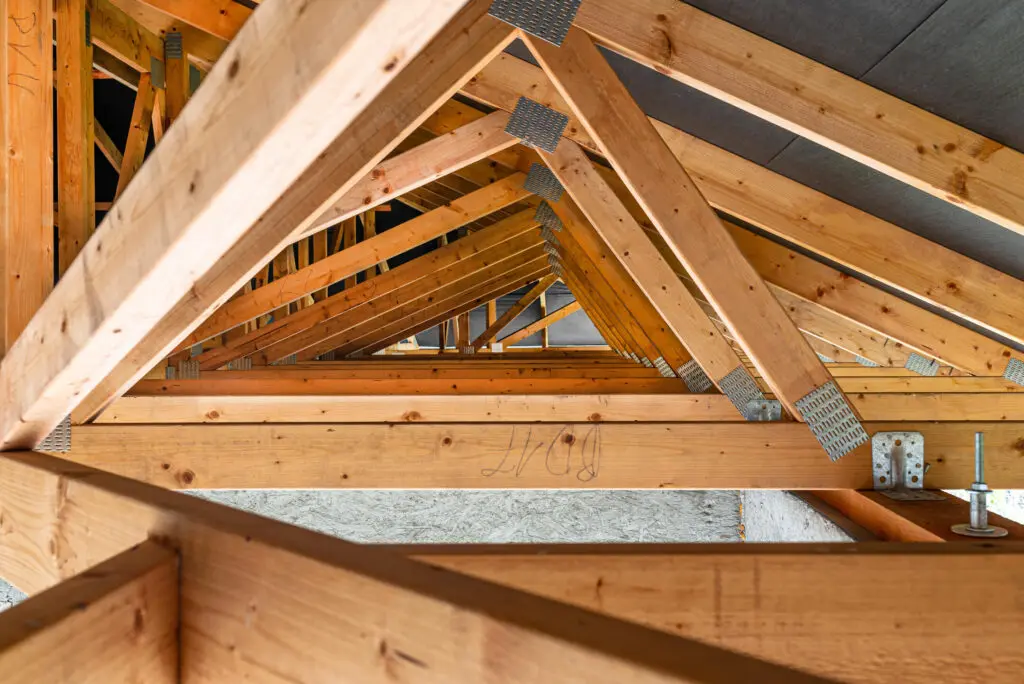
- Lack of hurricane straps or improper tie-down can make systems weak
- Unique truss types—like Yoder trusses, deco truss, or gambrel roof designs require custom connections
Inadequate Edge Sealing
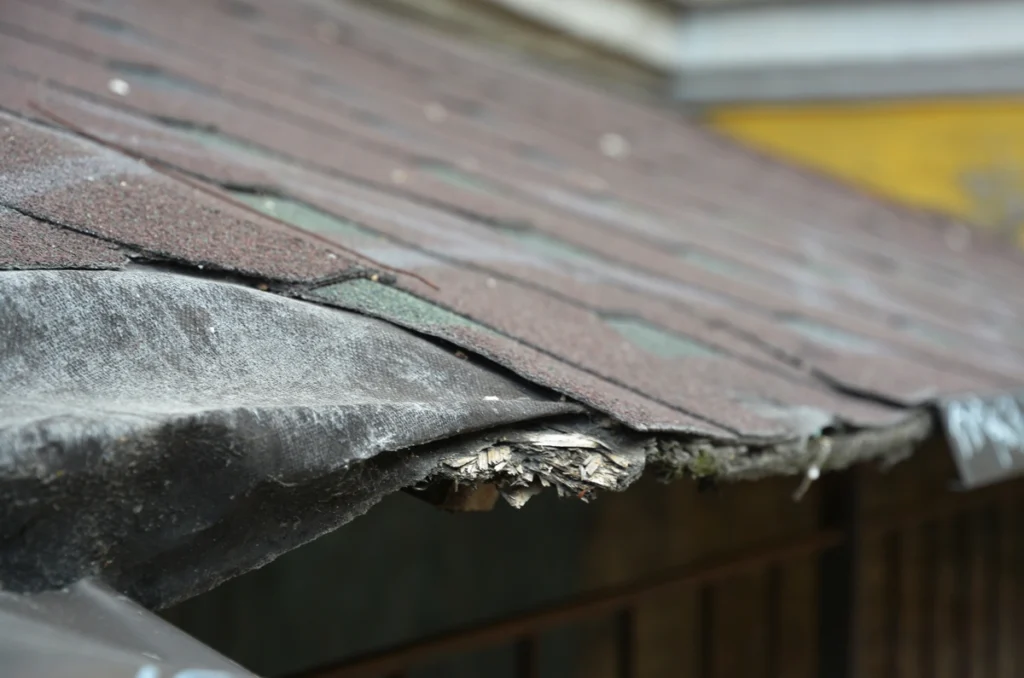
- A drip edge installation that is missing or poorly sealed allows uplift to latch under shingles
- Insufficient roof scuppers or missing relief vents further magnify prices
Poor Material Integration
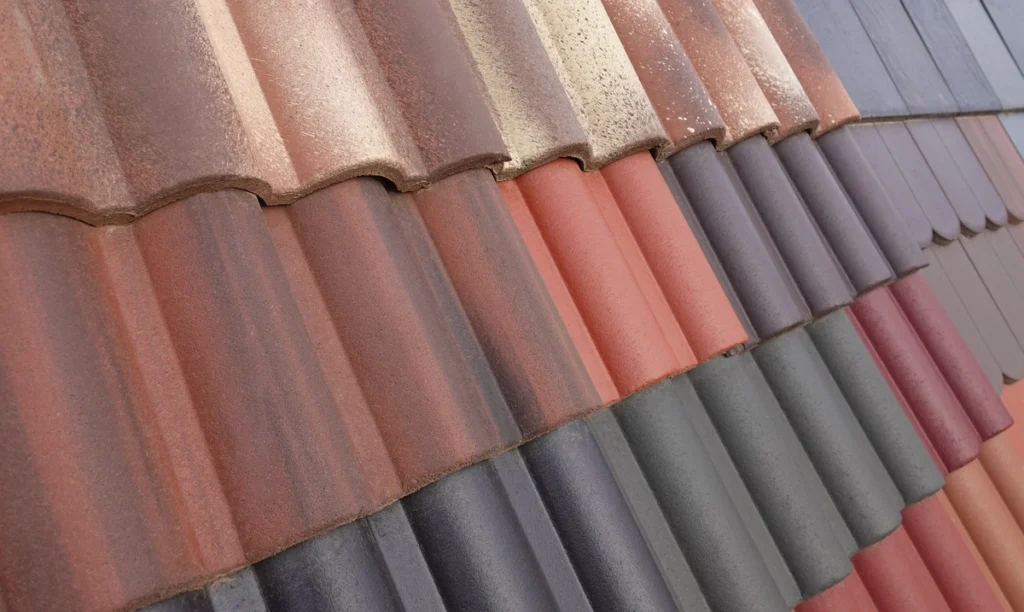
- Basic roof shingles vs tiles: Shingles can peel off, while tiles can crack if not properly anchored
- Ventilation loopholes: missing or blocked attic vent replacement and improper installing soffit and fascia can create internal pressure that lifts the roofing
Prevention: Upgrades That Prevent Wind Uplift
1. Reinforce Roof-to-Wall Connections
Utilize hurricane-rated metal straps and connectors to tie down rafters and trusses to the home’s structural frame. Systems with gambrel roof design or complex campopiano roofing profiles should use built-in uplift resilient features.
2. Choose Uplift-Resistant Roofing Materials
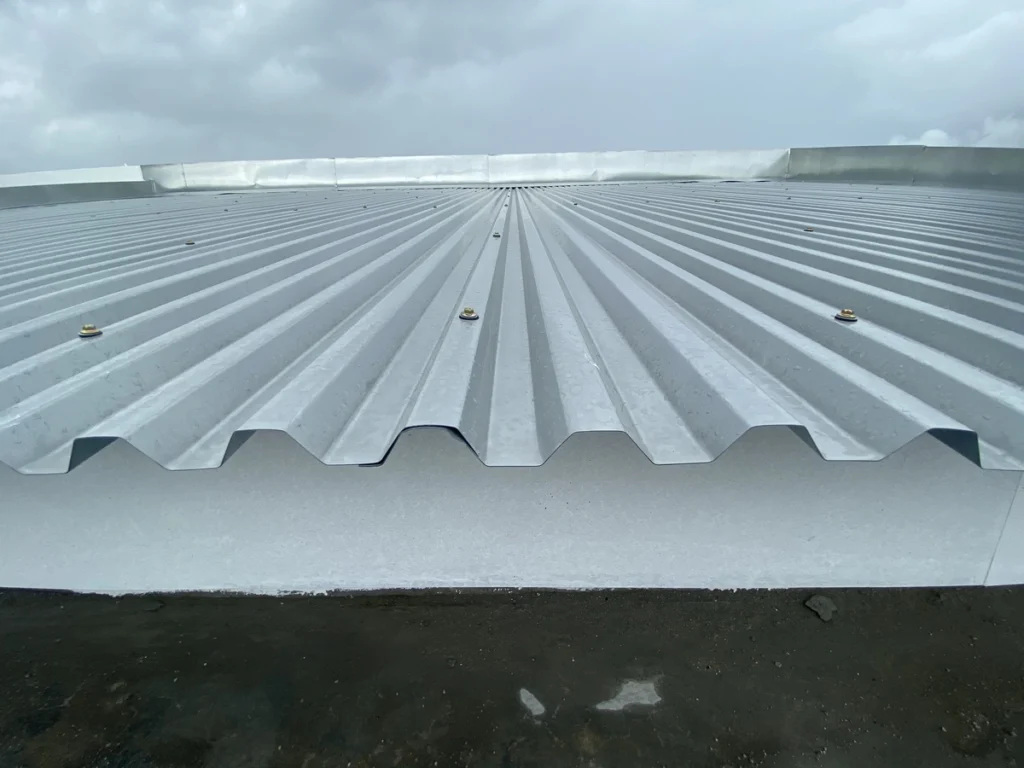
Upgrade to impact-rated shingles, shingle look metal roof, or certified tile systems anchored for uplift resistance. Use metal roof sealer and metal roofing coating to prevent edges from lifting.
3. Secure Edges and Overhangs
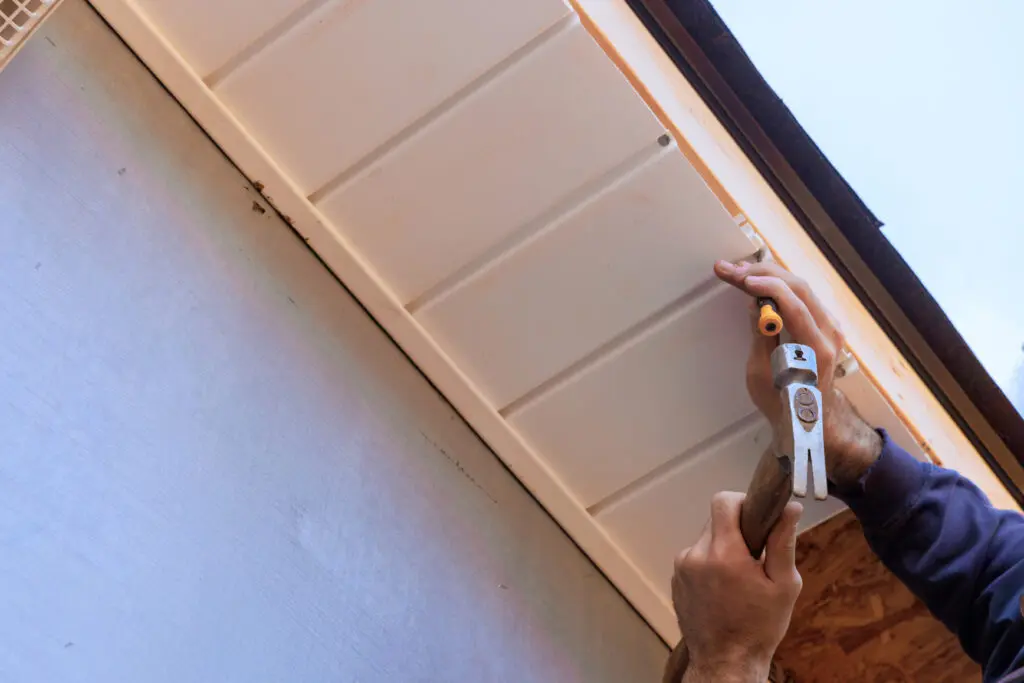
Carefully install drip edge flashing, and ensure proper overhangs and fascia by following best practices in install fascia boards and how to apply drip edge procedures.
4. Design Roof for Airflow Pressure Balance
Roof shape and ventilation affect uplift:
- What is a pitched roof, and its effect on wind escape points
- Proper soffit vents and attic vent types to reduce pressure
- Avoid large house overhangs without reinforcement
5. Enforce Regular Inspections and Maintenance
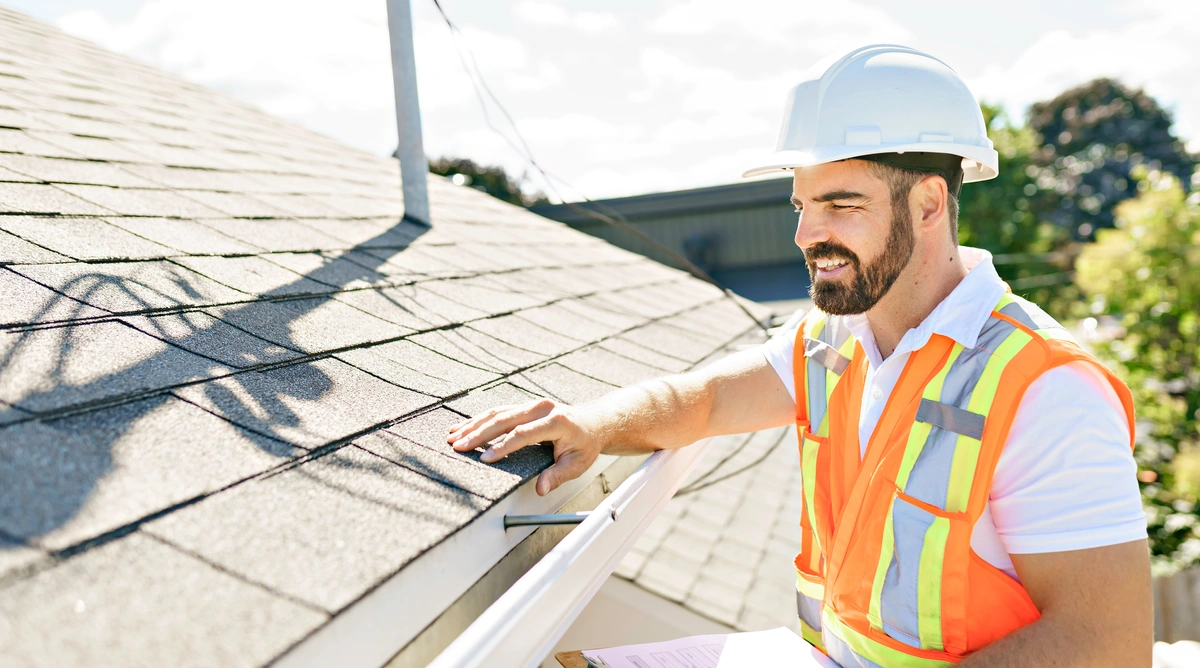
Work with a certified roofer inspector for scheduled checks, including verifying nail patterns, flashing, sealant condition, and fasteners. Keep roof coatings for the metal roof renewed, and inspect roof scuppers regularly.
Installation Best Practices for Uplift Resistance
- Use six nails per shingle in high-wind zones
- Follow the anchor pattern guidelines at the ridge, edges, and corners
- Incorporate hurricane clip connections into roof trusses
- Coordinate edge attachment with properly installed fascia and soffit
- Ensure important fittings like roof vent replacement, gutter systems, and tile transitions meet wind uplift ordinances
How Distinctive Roofing Protects You from Uplift Damage
As trusted professionals in roofing Delray Beach, roofing Boca Raton, and roofing South Florida, Distinctive Roofing enables homeowners to meet Florida’s strict roof codes and building standards:
- Full structural uplift analysis and reinforcement recommendations
- Certified installations of impact-rated materials, drip edges, and rain-ready fasteners
- Targeted upgrades for systems using standing seam metal roofing, terra cotta roofing tile, or an advanced metal roof that looks like wood shakes
- Regular inspection and updates to attic vent replacement, soffits, fascia, and flashings
- Construction education and support across varied roof shapes—hip vs gable roof, gambrel roof, and modern designs
Our tailored plans ensure your roof not only resists uplift but excels throughout Florida’s toughest weather challenges.
???? The ROI of Uplift-Resistant Roofing
While preventative upgrades have upfront costs—like adding hurricane straps, edge protection, or stronger fasteners—they offer large savings over time:
- Lower risk of roof failures and emergency roofing tear off
- Extended coverage from warranties due to compliant installation
- Reduced storm-related insurance claims
- Longer life expectancy for roofing materials
- Enhanced resale value as buyers appreciate uplift-prepared homes
System upgrades like attic vent replacement, new tile roof underlayment material, or cleaner scupper on roof designs increase thermal performance and durability.
Conclusion: Uplift Prevention Preserves Your Home
South Florida’s climate demands roof systems that survive gale-force winds and intense weather. Preventing wind uplift requires:
- Robust connections between the roof and the wall
- Impact-rated, wind-resistant materials
- Sealed edges, secured fascia, and tight soffits
- Balanced roof design with proper ventilation and structure
- Regular inspections and code-compliant maintenance
The benefits are clear:
- ✅ Stronger hurricane protection
- ✅ Lower repair and replacement costs
- ✅ Longer-lasting roofing systems
- ✅ Insurance savings and added peace of mind
- ✅ A roof built to last and perform
Wind uplift may sound technical, but its consequences are real. A proper upgrade now means protection when it matters most.
Ready to get started? Contact Distinctive Roofing today and let us show you what makes us the trusted choice for low slope roofing in Florida!