

Roof Safety Checklist for Roof Projects in Pompano Beach
Starting a roof project without a clear safety plan can put your home, your investment, and your personal safety at risk. Whether you’re planning a minor repair, seasonal maintenance, or a full upgrade, having a roof safety checklist Florida homes can follow is essential. Roof-related accidents are one of the most common causes of home improvement injuries, and Florida’s unique weather conditions only increase those risks.
So before you climb a ladder or schedule work, ask yourself this important question: Are you truly prepared to handle a roof project safely in Florida’s climate?
From slippery surfaces caused by humidity to steep pitches, tile weight, and sharp materials, roofing work demands careful planning. This guide explains what homeowners in Pompano Beach should know before starting any roof-related project, how to protect themselves, and when it’s smarter to bring in professionals like Distinctive Roofing.
Blog Walkthrough
In this roof safety checklist Florida homes guide, you’ll learn:
- Pre-project safety rules every homeowner should follow
- Ladder, harness, and fall-protection best practices
- Why proper attachment methods matter for safety and roof health
- Essential tools and personal protective equipment (PPE)
- When to stop DIY work and call a professional roofing company
- How Distinctive Roofing helps homeowners stay safe and compliant
Why Roof Safety Matters for Florida Homes

Roof projects in roof Florida conditions are not the same as working in cooler or drier climates. Florida’s heat, sudden rain, high humidity, and coastal winds make roofing surfaces unpredictable. Even experienced DIY homeowners can underestimate these conditions.
According to many south florida roofing companies, accidents often happen during short, “simple” tasks—like checking a leak, removing debris, or replacing a few shingles—when safety steps are skipped.
A proper roof safety checklist Florida homes rely on helps prevent:
- Falls from ladders or roof edges
- Damage to roofing materials like terracotta roof tiles or top rated asphalt shingles
- Structural issues involving truss roofs, residential roof trusses, or roof eves
- Costly repairs caused by improper walking or attachment methods
Pre-Project Safety Rules Every Homeowner Should Follow
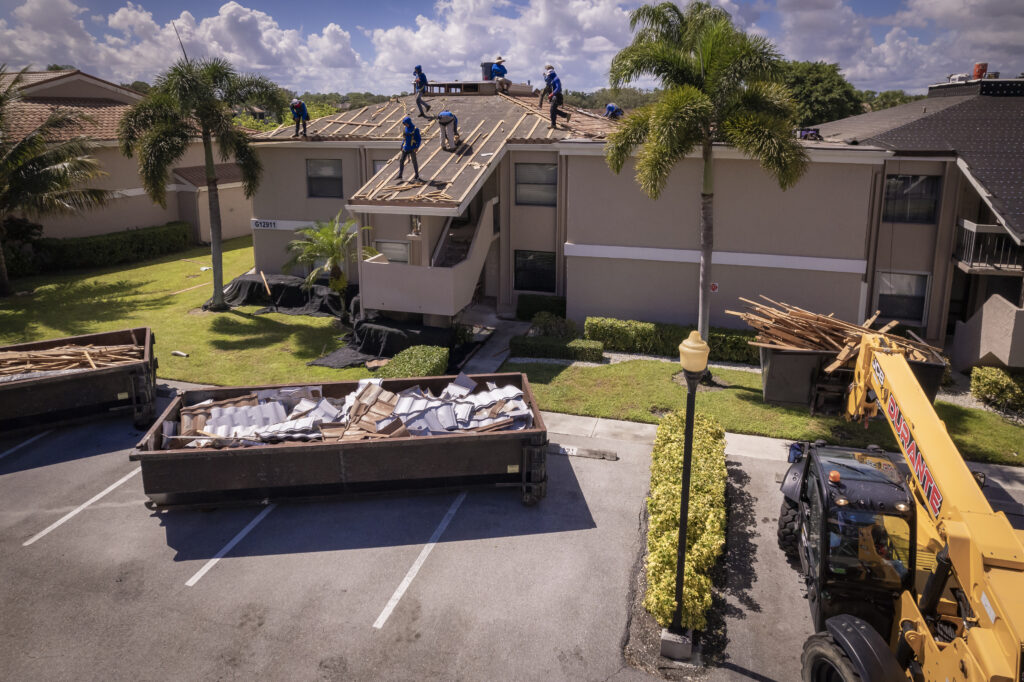
Before any roof work begins, preparation is critical. These rules apply whether you’re working on asphalt shingle roofing, metal roofing installation, or tile roofing specialists projects.
1. Inspect Weather Conditions
Never start a roof project if rain is expected or if surfaces are still wet. Florida humidity can make even dry-looking roofs slick.
Avoid roofing work during:
- High winds
- Midday heat spikes
- After storms without a hail damage roof inspection
2. Secure the Work Area
Clear the ground below the roof of:
- Tools
- Furniture
- Vehicles
This protects people and property if materials fall.
3. Know Your Roof Type
Different roofs require different safety approaches:
- Metal roof vs tile surfaces behave differently under foot
- Black metal roof in Florida systems heat up quickly
- Roof tiles terracotta can crack if stepped on incorrectly
Understanding your roof type is a core part of any roof safety checklist Florida homes should follow.
Ladder Safety: Your First Line of Protection
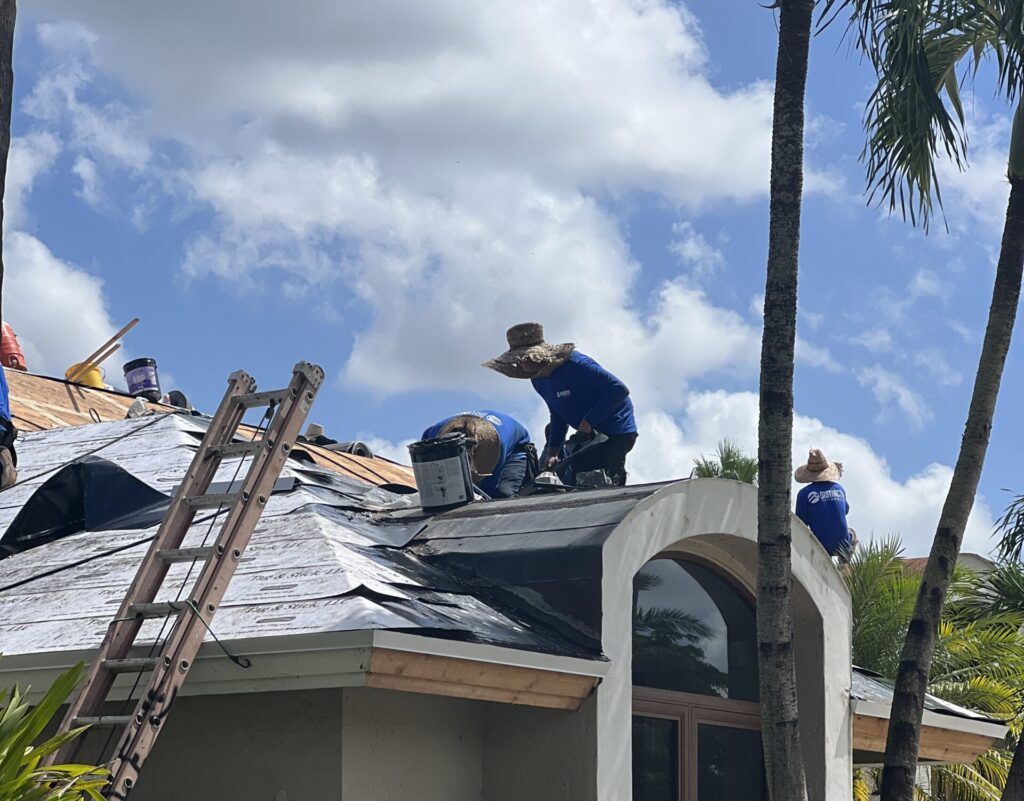
Most roofing injuries start with ladder misuse. Whether you’re working on roof repair in Florida or checking flashing, ladder safety is non-negotiable.
Ladder Best Practices
- Use an extension ladder rated for your weight plus tools
- Extend the ladder at least three feet above the roof edge
- Place ladders on level ground only
- Never lean ladders against gutters or gutter metal roof edges
- Maintain three points of contact at all times
Professional roofing contractors Delray Beach and Pompano Beach crews follow strict ladder protocols for a reason—they save lives.
Harnesses, Fall Protection, and Roof Pitch Awareness
If your roof has a steep pitch roofing design, fall protection becomes essential.
When Fall Protection Is Required
You should use harnesses or safety anchors if:
- The roof pitch exceeds 4:12
- You’re working near edges or valleys
- The surface is metal or tile
Improper fall protection is one of the most overlooked risks in residential roofing projects.
Importance of Proper Attachment Methods

One of the biggest mistakes homeowners make is using nails, screws, or staples incorrectly. Poor attachment methods can damage roofing systems and create long-term leaks.
Safe Attachment Guidelines
- Never nail into shingles for temporary fixtures
- Avoid penetrating underlayment unless required
- Follow manufacturer guidelines for does metal roof need underlayment systems
- Use approved fasteners for roof tile installation
Improper attachments compromise seamless roofing systems, tile roof underlayment, and flashing integrity.
Tools and PPE Every Homeowner Needs

A proper roof safety checklist Florida homes use includes the right equipment.
Essential PPE
- Non-slip roofing shoes
- Cut-resistant gloves
- Safety glasses
- Hard hat (especially for tile roofs)
Tools to Use Carefully
- Pry bars
- Utility knives
- Sealant guns for sealant for roof applications
- Measuring tools for installing roof drip edge
Never improvise tools on the roof—this increases risk dramatically.
Material-Specific Safety Considerations

Different roofing materials require different safety precautions.
Asphalt Shingle Roofing
- Granules reduce traction
- Old shingles may tear under weight
- Avoid walking on edges
Tile Roofing
- Tiles crack easily
- Step only on reinforced areas
- Improper steps damage tile clay roof systems
Metal Roofing
- Extremely slippery when wet
- Sharp edges on panels
- Reflective glare causes eye strain
Working on metal roofing that looks like shake shingles or metal roof like shingles requires extra care.
When to Call Professional Help
Not every roofing task should be DIY. Many homeowners start projects only to realize the risk is higher than expected.
Call Professionals When:
- You notice sagging or structural concerns
- Repairs involve flashing, valleys, or penetrations
- You’re unsure about roof tile underlayment material
- There’s storm damage requiring documentation
- You need a full roof inspection
This is where Distinctive Roofing helps homeowners avoid injury and costly mistakes. Their trained crews handle safety protocols, code compliance, and material protection from start to finish.
How Distinctive Roofing Supports Safe Roof Projects
As a trusted local roofing company, Distinctive Roofing helps homeowners across Pompano Beach with safe, professional roofing solutions.
They provide:
- Detailed safety-focused inspections
- Professional roof maintenance services
- Code-compliant repairs and replacements
- Expertise across metal roofing installation, asphalt shingle roofing, and tile roofing specialists systems
Homeowners often discover that hiring professionals reduces both risk and long-term costs.
Blog Key Points
- A roof safety checklist Florida homes follow prevents injuries and roof damage
- Ladder safety is the leading factor in accident prevention
- Proper attachment methods protect roofing systems
- PPE and fall protection are essential on steep or slick roofs
- Different materials require different safety approaches
- Knowing when to call professionals protects your home and health
- Distinctive Roofing helps homeowners complete roof projects safely and correctly
Conclusion: Safety First, Every Time
Roof projects can improve your home—but only when safety comes first. Florida’s climate adds extra challenges that homeowners can’t afford to ignore. By following a proven roof safety checklist Florida homes depend on, you reduce the risk of injury, protect your roofing materials, and avoid costly mistakes.
If you’re planning a roof project and want expert guidance, inspections, or professional service, Distinctive Roofing is here to help you move forward with confidence and safety.
Ready to get started? Contact Distinctive Roofing today and let us show you what makes us the trusted choice for low slope roofing in Florida!
