Understanding the 2025 Florida Building Code Changes for Roofing
Are You Prepared for Florida’s New Roofing Code Requirements? With 2025 underway, one pressing question every Florida homeowner should ask is: Does my current roof comply with the new Florida Building Code (FBC) changes? These updates directly affect residential roofing projects, from full replacements to minor repairs. Understanding these changes is critical, not just for legal compliance, but for the safety and resilience of your home.
Blog Walkthrough
In this article, you’ll learn:
- The major changes to Florida’s 2025 roofing code
- How do these changes affect your roofing choices and installations
- What materials and construction methods are now required
- How Distinctive Roofing can help ensure your home meets code
Blog Key Points
- Florida’s 2025 building code includes stricter wind, underlayment, and insulation requirements
- Sealed roof decks and specific underlayment types are now mandatory
- Changes to the 25% roof replacement rule offer more flexibility
- Upgraded truss systems and what are energy-efficient roofing materials are now expected
- Distinctive Roofing is your licensed, knowledgeable contractor for code-compliant roofing
What Are the Key Changes in the 2025 Florida Building Code?
The updated FBC is focused on strengthening Florida homes against hurricanes and improving energy efficiency. Below are the most relevant updates for residential roofing:
1. Reinforced Roof-to-Wall Connections
Roof-to-wall connections must now meet enhanced uplift resistance standards. Licensed contractors can retrofit connections without engineering approvals if they follow the code. Roofers must ensure proper load distribution across residential roof truss, pioneer truss, or other different types of trusses.
This rule is especially important in areas vulnerable to hurricanes and applies to both new construction and qualifying retrofits.
2. Sealed Roof Deck Requirements
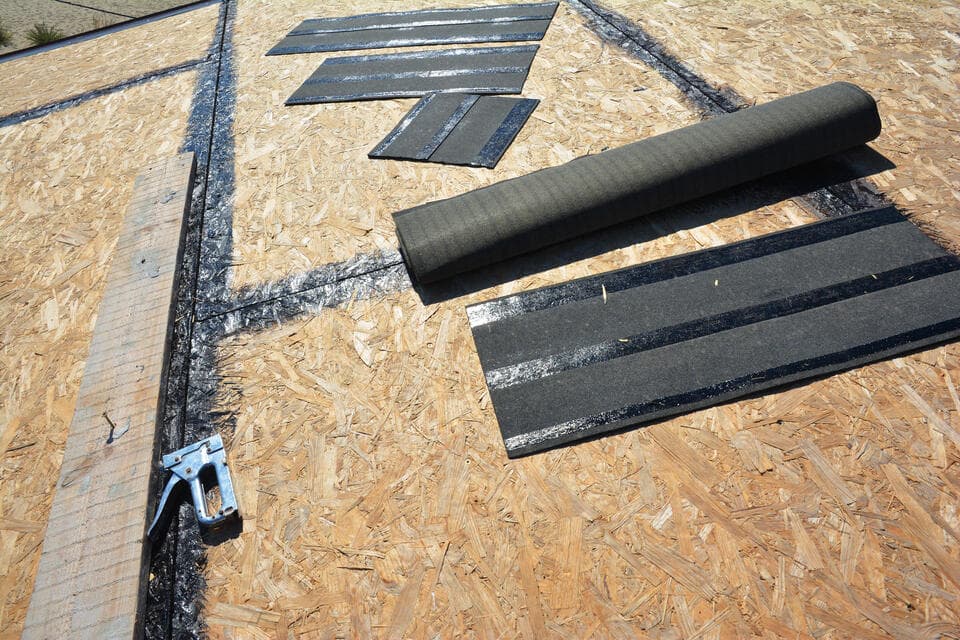
All roofing systems must now use sealed roof decks, which reduce water intrusion if the roof covering is lost during storms. This affects installations involving:
- Roof coatings for metal roofs
- Spray on roof coatings for metal roofs
- Coating for metal roofs
- Best flat roof coating materials
These elements must be installed using materials approved by the Florida Product Approval system.
3. Revised 25% Roof Replacement Rule
Previously, if more than 25% of a roof was damaged, the entire roofing system had to be replaced. The 2025 code allows for partial replacement—if the remaining structure complies with the 2007 code or newer. This is especially beneficial for properties with older but structurally sound systems.
Roofing jobs like a roofing tear off or partial repair now require certified documentation confirming compliance.
4. Energy Efficiency & Insulation Upgrades
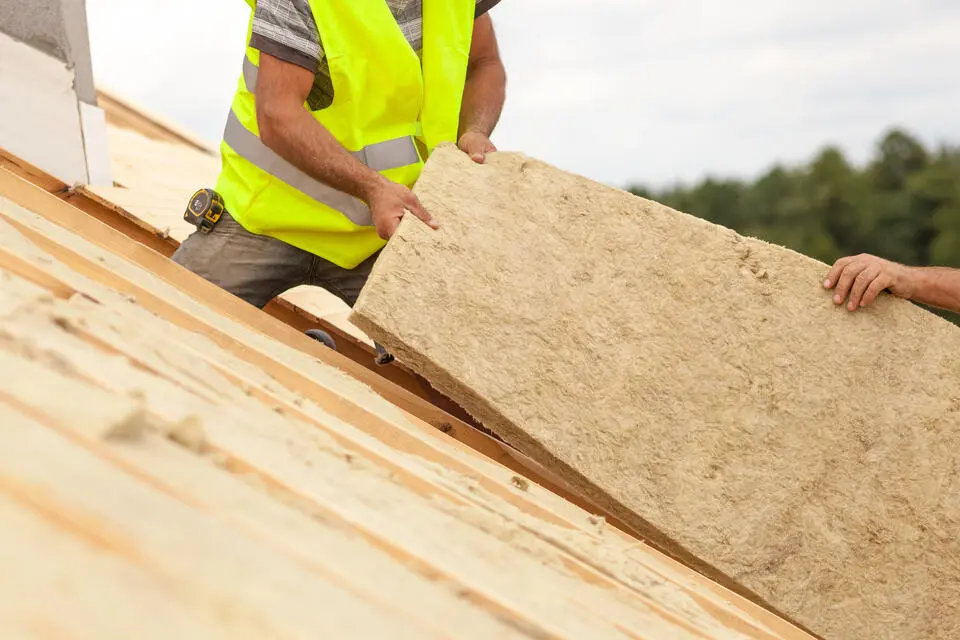
The FBC 2025 mandates:
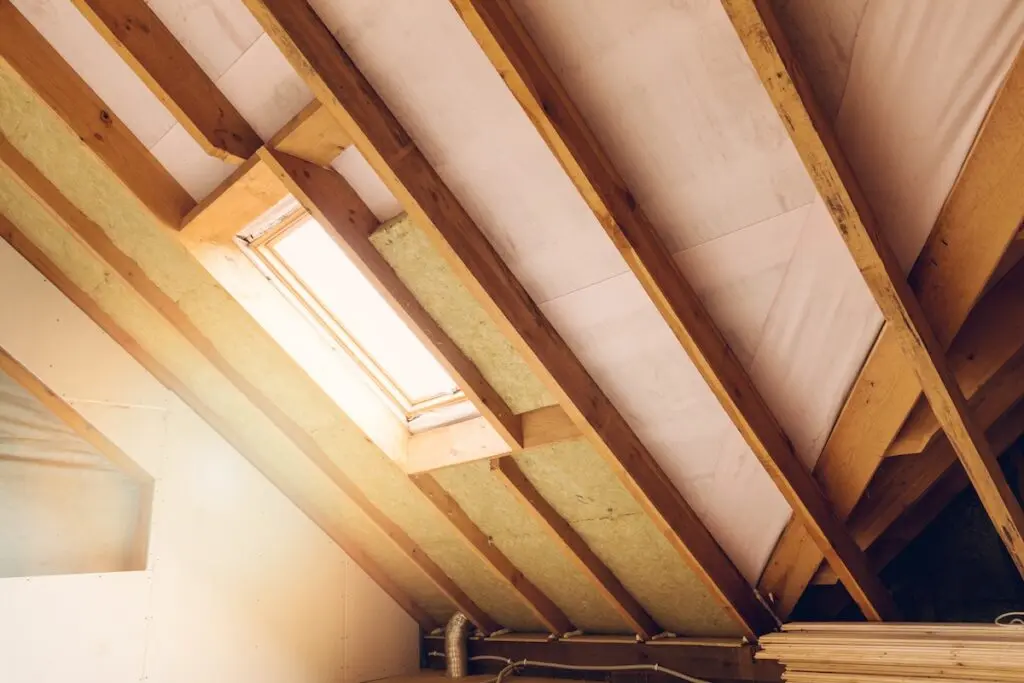
- R-20 insulation for unvented attics
- Tight air-sealing practices
- Blower door tests for new roofs or major renovations
Choosing what are energy-efficient roofing materials becomes a code requirement, not just a recommendation. Homeowners should consider options like:
- Flat foam roof
- Reflective metal roof with shingle look
- Energy-rated the best roofing shingles
Materials That Now Require Code-Approved Installations
Standing Seam Metal Roofs
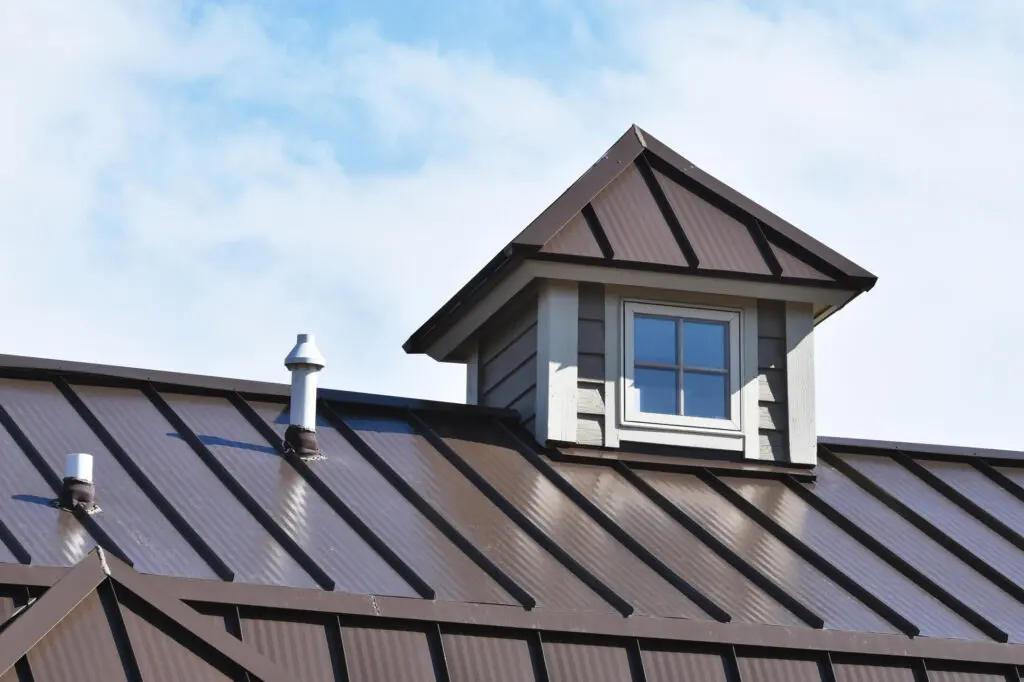
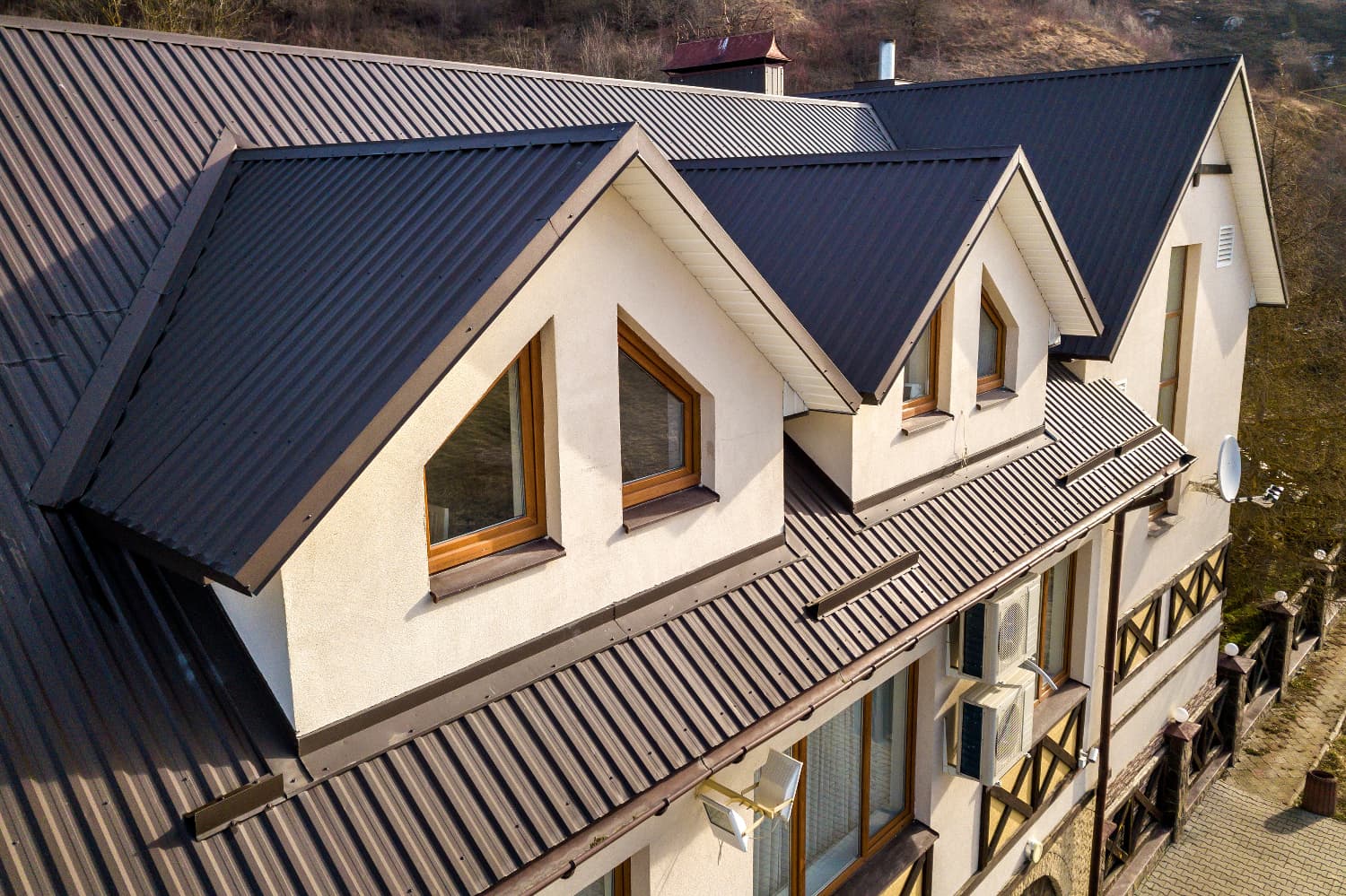
Among the strongest roofing systems available, standing seam metal roofing meets and exceeds all new structural requirements. It’s an ideal choice in hurricane-prone areas.
- Standing seam metal roof cost per square foot: $10–$20
- Standing seam metal roof pricing includes fasteners, sealants, and weather-tested panels
- For aesthetics, try a metal roof that looks like slate, a metal roof with a shingle look, or shingle looking metal roof
Tile Roofing
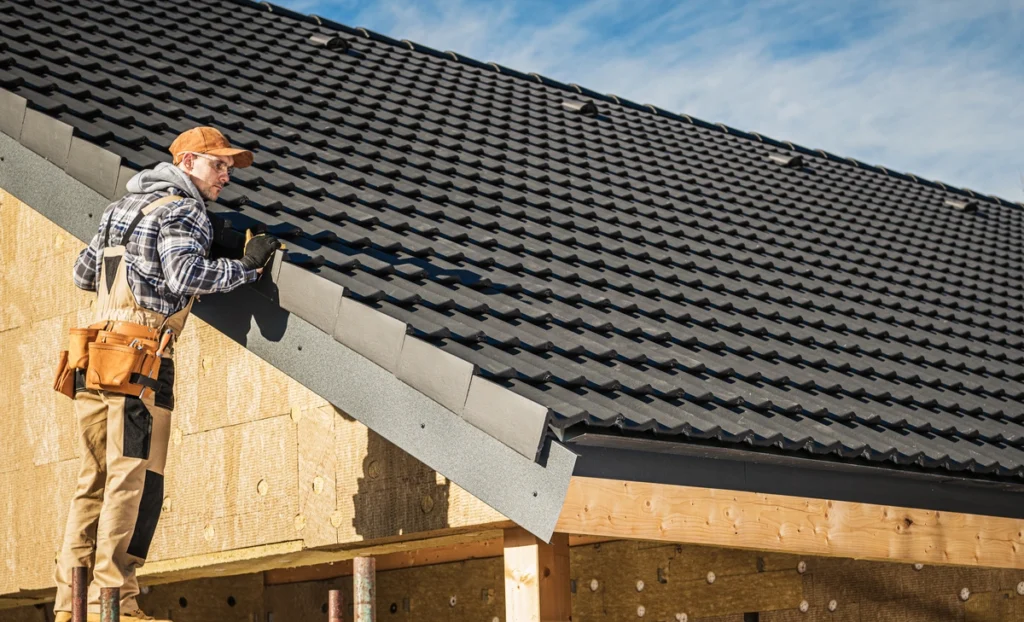
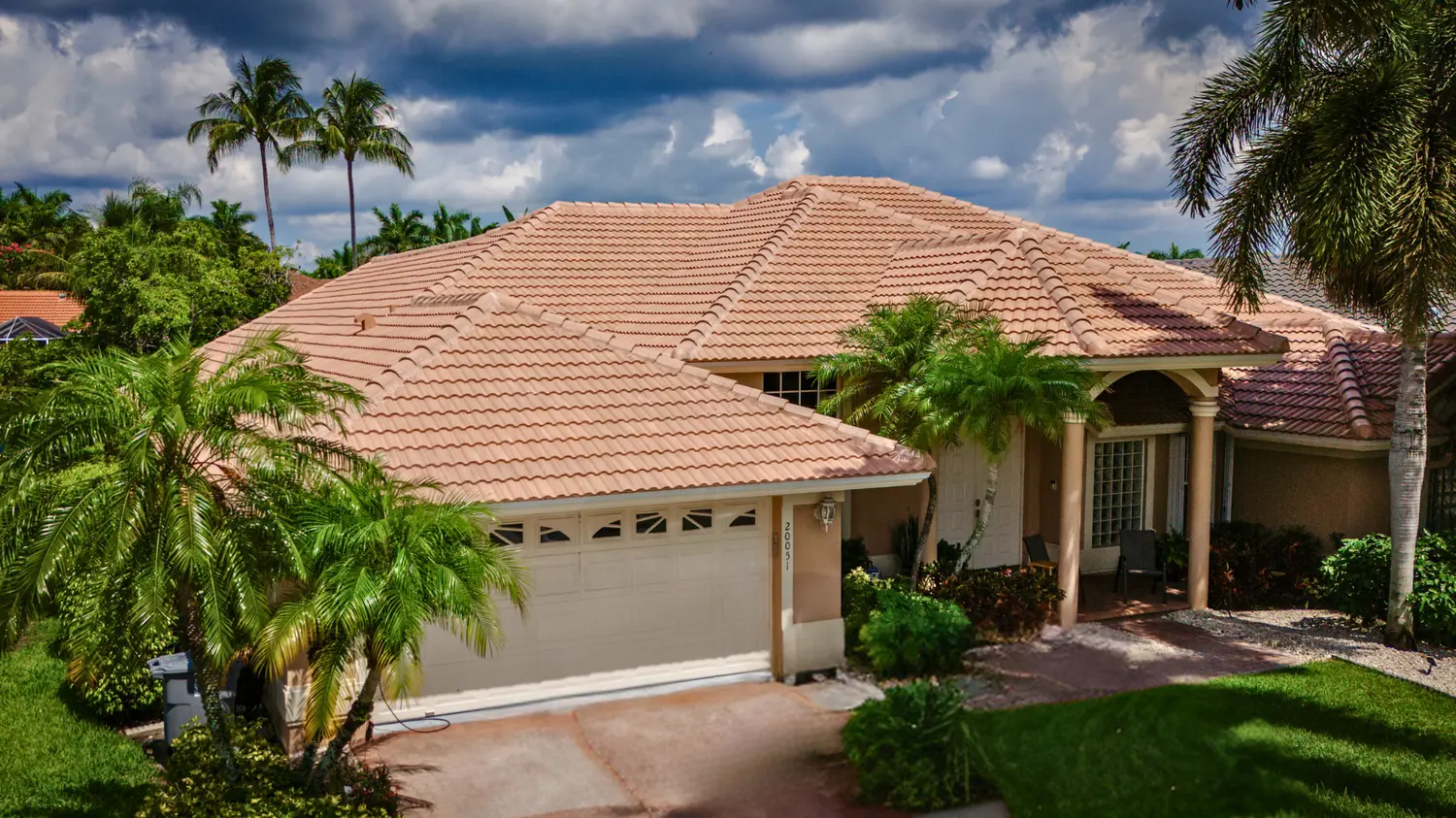
Terracotta clay roof tiles, roof terracotta tiles, and terracota roof tiles remain popular and now must be installed with proper uplift resistance measures. Their weight makes them storm-resistant, but they require strong framing like gambler roof, gamble roof, or gramble roof truss designs.
Before installing, compare tile vs metal roof and calculate the cost of tile roof vs metal roof for your structure.
Shingles
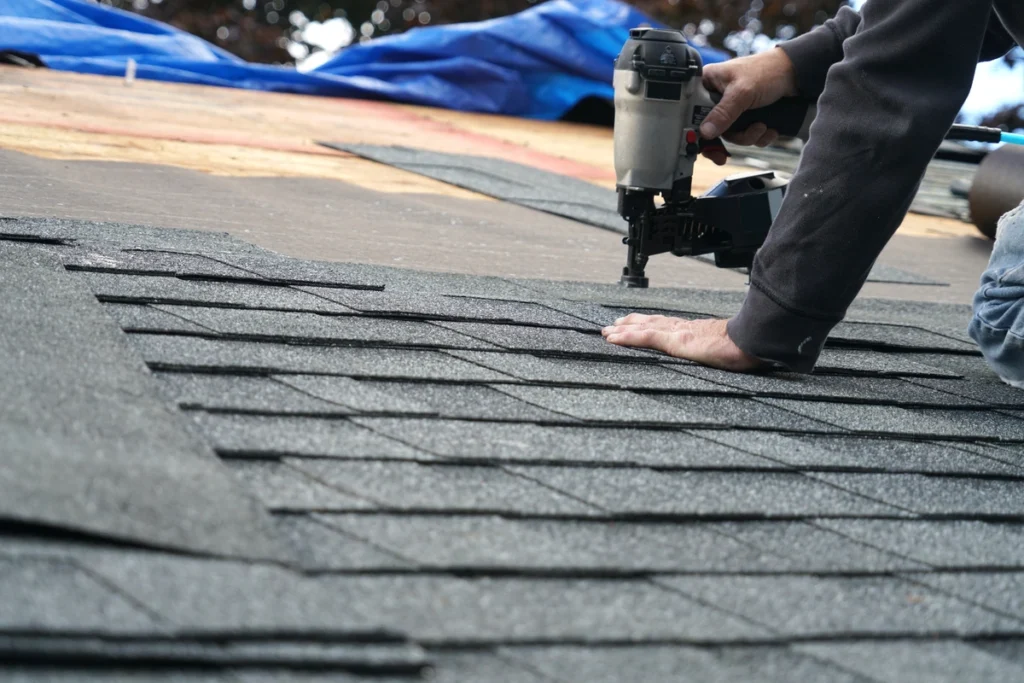
Shingle systems must now comply with wind and uplift tests. Products like top rated shingles for roofing, what are the best asphalt shingles on the market, and the best roofing shingles are all approved options. For added protection, choose Class 4 impact-rated systems.
Enhance appearance with roof tile paint, accent roof design choices, or custom Englert metal roof colors.
Structural and Drainage Code Compliance
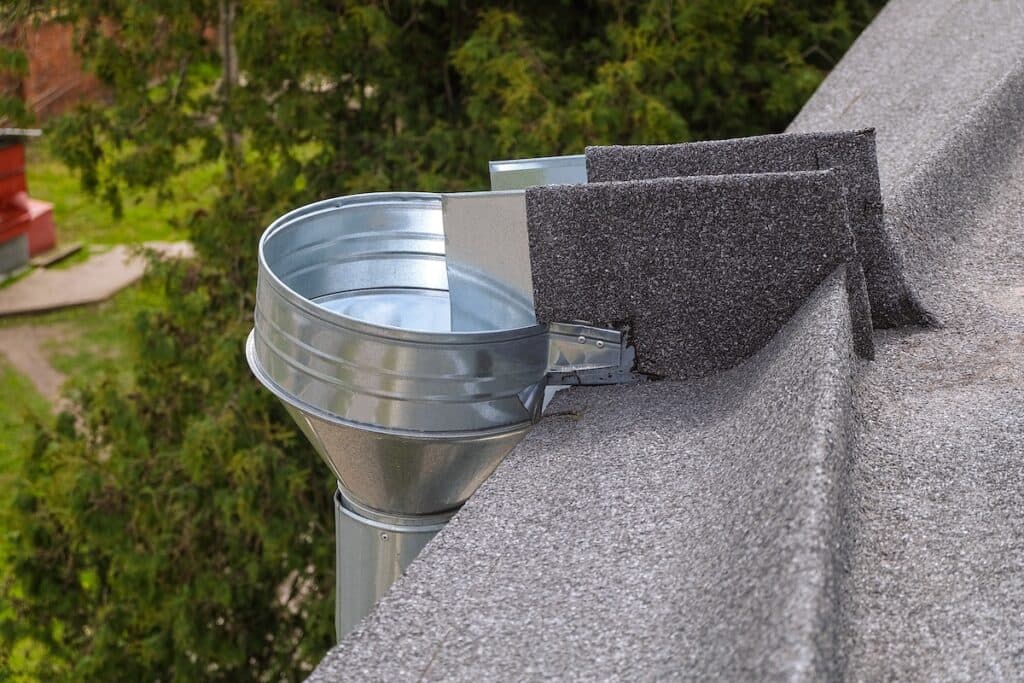
Structural framing and drainage systems must now be reinforced and properly installed:
- Know how to install fascia correctly, or hire a pro for fascia and soffit install
- Ensure proper slope and runoff, especially for flat roof coating options
- Clean roof scuppers regularly and upgrade them if needed
- Replace aging features like roof vent replacement or rotted framing
Even repairs using used metal roofing material or replacements of fixing rubber roof sections must follow updated specs.
Repair & Maintenance Expectations Under the New Code
If you’re doing more than minor patchwork, your roofer will need to document compliance. That includes:
- Cost analysis of how much is it to replace a flat roof
- Reviewing flat roof repair costs or how to repair a flat rubber roof
- Emergency measures like how to tarp a metal roof
- Even a basic cleanup, like how much to power wash house, should be timed correctly to prepare for code inspections.
How Distinctive Roofing Helps You Stay Code-Compliant
As one of the most experienced Florida roofing companies, Distinctive Roofing ensures all projects—big or small—meet 2025 FBC requirements.
We offer:
- Certified evaluations by a licensed roofer inspector
- Modern system upgrades using commercial metal roofing types and modern metal shingles
- Full replacements in roofing Delray Beach, roofers South Florida, roofers Boca Raton, and surrounding areas
- Custom storm-ready designs that comply with the best type of roof for hurricane standards
Whether you prefer traditional tiles, energy-saving panels, or hybrid systems like campopiano roofing, we’ll get you compliant—fast.
Conclusion: Why Compliance is Worth the Investment
Upgrading your roof to meet the 2025 Florida Building Code offers serious advantages:
- Avoid failed inspections: Non-compliance can delay sales or renovations
- Lower insurance premiums: Homes that follow the code qualify for discounts
- Better storm protection: You’ll be safer during Florida’s harsh hurricane seasons
- Improved energy efficiency: Save on power with energy-efficient roofing materials
- Boost home value: A compliant, modern roof increases property appeal
Don’t risk falling behind on Florida’s roofing code. Stay protected, prepared, and in compliance with help from the pros.
Ready to get started? Contact Distinctive Roofing today and let us show you what makes us the trusted choice for low slope roofing in Florida!